

When Self-Care Becomes Just Another Holiday Task
How the holidays can feel heavier than they should.
Hey, checking in, because the quiet stuff matters too. Today’s reflection: how the holidays can turn even the softest intentions into silent performance.
The holidays arrive with a familiar promise. Rest, connection, warmth. A slower pace. A deeper breath. A chance to stop and sink into something gentle. Most years, I enter the season thinking it will be calmer. I picture sitting with the lights on, doing nothing urgent, and mornings that aren’t a scramble. I crave that pause, even when it slips away. The peace. The softness. The stillness.
Then reality enters the room with a clipboard.
The weight of seasonal expectations
The calendar fills itself. Messages gather. Obligations appear. Suddenly, I am not easing into the holidays. I am managing them. As a result, even self-care begins to feel suspiciously like another task. I check in with myself the way someone checks a box. It feels structured. It feels pressured. It feels like work. It’s the moment where self-caring quietly becomes performing.
The strange thing is that holiday pressure often hides behind warm language. Be grateful. Be calm. Be joyful. Be present. These are lovely ideas. But once the season begins, they turn into quiet expectations for how you should feel. You try to follow them because you want December to feel magical. You want to avoid disappointment. You want to prove that you can create a calm, meaningful season for yourself.
Nonetheless, a subtle tension forms. You start to wonder why you feel tired instead of grateful. You notice your chest feels tight instead of open. You sense that your attempts at self-care feel forced. You remind yourself that others manage this season with ease. You try harder.

The quiet pressure to appear well
At some point you start to treat self-care like an exam. You track your emotions as if someone plans to grade them. You ask whether your gratitude feels sincere enough. You tell yourself that your calm should remain steady. The moment you feel anything less, you think something slipped. You adjust your breathing and try again.
I sometimes notice this shift when I begin to chase the version of the holidays I saw online. Everyone seems festive. Everyone looks relaxed. Everyone appears to float through the season with glossy serenity. I try to follow. I light a candle. I pour tea. I put on the cozy playlist. Yet nothing inside me changes. I look calm on the outside. Inside my thoughts move fast. It feels close to the moments when calm starts to feel like suppression, and I recognize the pattern. I hold myself together at the expense of feeling anything real.
The exhaustion hidden in small things
Ironically, the harder I try to feel calm, the less calm actually comes. What was once restorative quietly turns into effort. I am not soothing myself. I am performing.
Real self-care is subtle. It offers relief without demanding perfection. Yet during the holidays the world feels louder. Expectations rise. Family energy grows. Travel disrupts routines. Social events multiply. The air itself seems brighter and more intense. It becomes clear that the tiny things that wear us down often look harmless. The house feels cluttered. The roads feel crowded. The days feel short. You tell yourself none of this matters. But your body keeps score.
The slow build of seasonal pressure
Eventually, you notice you feel a little heavier. You still function. You still participate. You still show up. Yet something inside you tightens. You try to quiet it because you do not want tension to interfere with the holiday spirit. You avoid the discomfort. The avoidance builds.
Sometimes you catch yourself pretending the little things help. You sip coffee that tastes like nothing. You walk around the block hoping for calm, but your brain is still running circles. You sit near the lights hoping for ease. Nothing lands. You understand you are trying to force a feeling, and the effort exhausts you.
The curated version of joy
A holiday season built on effort rarely feels joyful. But many of us chase the version of the holidays that depends on control. We want to ensure everyone feels cared for. We want moments to unfold smoothly. We want our emotions to remain steady. Somehow we end up acting like the director of a seasonal play. Everything must look peaceful. Everything must look warm.
This desire for control often hides a fear of disappointment. We want this season to mean something. We want to feel connected. We want a memory that softens us when the year ends. So we push ourselves. We create pressure instead of comfort.
A quieter path toward ease
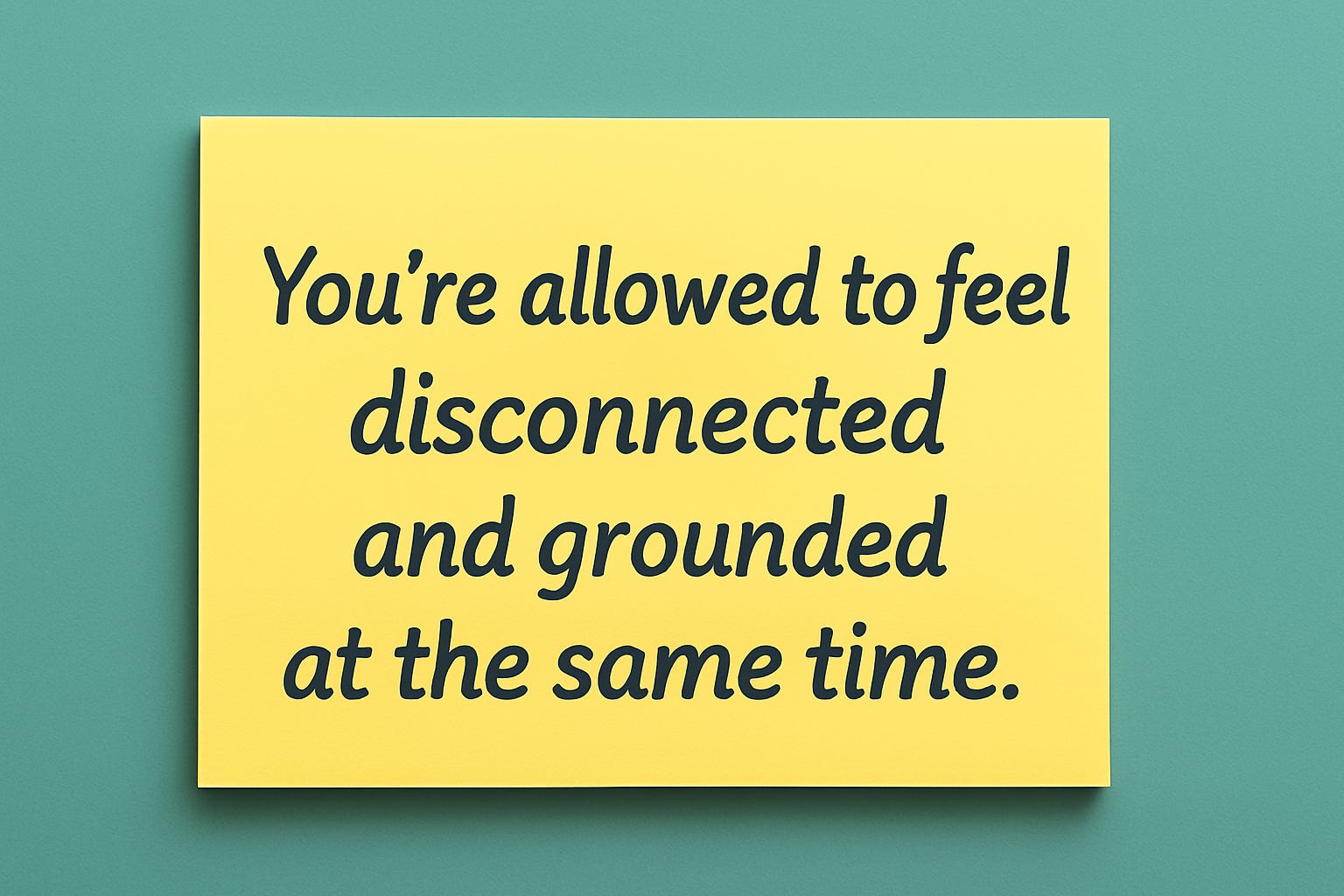
The truth is that holiday self-care only works when you stop curating the experience. Some seasons feel light. Others feel heavy. Some days you feel grounded. Other days, you feel frayed. It turns out that your mood matters more than the tinsel. What you carry into December matters most.
Self-care changes when you stop trying to live up to the season and start noticing what your body actually needs. You might need fewer social events. You might need more rest. You might need space between conversations. You might need to allow sadness to sit beside joy.
This desire for control often hides a fear of disappointment. We want this season to mean something. We want to feel connected. We want a memory that softens us when the year ends. So we push ourselves. We create pressure instead of comfort.
Real self-care is subtle. It offers relief without demanding perfection. Yet during the holidays the world feels louder. Expectations rise. Family energy grows. Travel disrupts routines. Social events multiply. The air itself seems brighter and more intense.
The honesty beneath emotional stillness
This season has a way of bringing the past forward, along with its weight. Old patterns reappear. Old anxieties stir. Old memories return. You may feel the urge to hold yourself together with extra composure. But holiday peace does not require perfect steadiness. It requires honesty.
Honesty reminds you that rest does not always feel peaceful at first. Sometimes you stop for a moment and your emotions rise. Sometimes, stillness exposes things you pushed aside. That does not mean you failed at self-care. It means you reached a depth you have not visited in a while.
A softer, truer season
The most supportive moments tend to be the ones that ask almost nothing of you. A quiet morning. A slow walk. A familiar meal. A small conversation that lets you exhale. A room where nothing demands your energy. A pause that feels unremarkable yet real.
Those moments soften you far more than the elaborate rituals you try to recreate.
A softer season does not need perfect emotions. It needs truth. Truth creates room for whatever the season brings. Truth makes space for the parts of you that do not feel festive. Truth lets you rest without pretending you feel steady every moment. The holidays lose their pressure when you remember that real peace does not grow from control. It grows from presence without expectation.
You deserve a gentle December
And if nothing else, remember this. You do not have to feel joyful every day to deserve a gentle December. You do not have to earn rest. You do not have to curate serenity. You are allowed to be tired. You are allowed to protect your energy. You are allowed to soften into the season without performing for it.
Your holidays do not need to look a certain way to count.
They need to feel true.

One thing that grounded me this week: A tiny ceramic bird on my shelf. I forgot I owned it. I noticed it while dusting and it made the whole room feel calmer for a minute.
One thing that ungrounded me: A grocery store sample of cheddar that tasted strangely sweet. I still do not know why. I had questions. No answers.
Your turn. What is one small grounding or ungrounding moment from your week?
If you are new here, step into the Joydify era, your soft landing for the quiet stuff that matters.
Thanks for subscribing to Joydify and sharing a quiet moment with us. Here’s to gentle support, one check-in at a time.